Shose expert

15 Years Manufacturing Experience
DSC00533

2026 Top Sports Shoes Suppliers for Global Buyers

Global buyers entering 2026 face a sports footwear market that is large, competitive, and increasingly difficult to compare. The World Footwear Yearbook 2024 reported approximately 23.9 billion pairs of footwear produced worldwide in 2023. Asia supplied nearly 87% of that volume. These figures show why supplier location still matters. However, capacity alone does not prove reliability.

Grand View Research estimates that the global athletic footwear market will continue expanding through 2030, supported by running, training, lifestyle, and digital-commerce demand. Market growth sounds attractive. The details are less comfortable. Buyers must examine minimum order quantities, material traceability, testing records, mold ownership, production lead times, and export experience. A factory may offer a low quotation, yet produce inconsistent sizing between shipments. That risk becomes visible when cartons reach a warehouse.

Matt Powell, a veteran sports-industry analyst, has described athletic footwear as “a mature market, not a growth market.” His observation deserves reflection. Suppliers cannot depend only on rising demand. They must improve product value, development speed, and operational transparency. This 2026 guide evaluates each Sports Shoes Supplier through practical buyer concerns, including factory capability, quality systems, customization, compliance documentation, and communication. The ranking is not perfect. Supplier performance can change with materials, managers, and seasonal capacity. Global buyers should therefore use this guide as a starting point, then request samples, audit evidence, and verified commercial references before signing agreements. A polished website is useful. It is not proof.
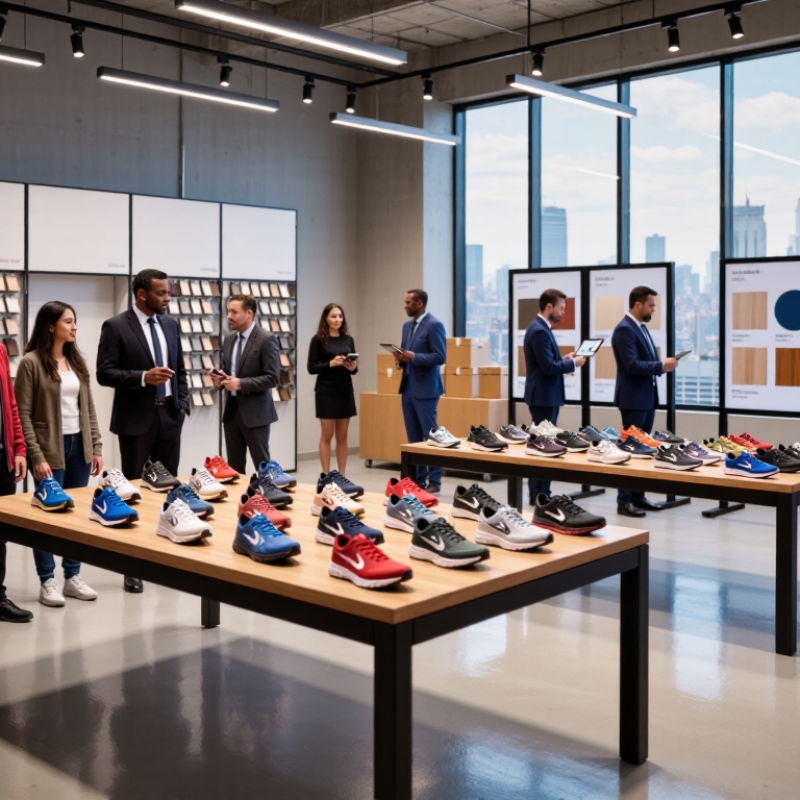
2026 Top Sports Shoes Suppliers for Global Buyers

Global Sports Shoe Supplier Market Overview for 2026

The 2026 sports shoe supplier market is becoming more regional, data-led, and quality-focused. Grand View Research estimates that the global athletic footwear market was worth about USD 160 billion in 2023. It forecasts steady growth through 2030, supported by running, training, outdoor, and lifestyle demand. World Footwear’s 2024 Yearbook reports approximately 23.9 billion pairs of footwear were produced globally in 2023. Asia supplied more than 87% of that volume. This concentration creates strong manufacturing capacity, but it also increases exposure to freight delays, material shortages, and factory dependency.

Global buyers now assess suppliers beyond unit price. They compare sample consistency, outsole durability, material traceability, testing records, and production flexibility. A reliable supplier should explain its monthly capacity clearly. It should also provide inspection procedures and realistic lead times. Intertek’s footwear testing guidance highlights abrasion, flexing, slip resistance, and bonding strength as important performance checks. These details matter when products face different climates and usage patterns. However, supplier websites can overstate capability. That is an uncomfortable point.

Tips: Request a pilot order before signing a large contract. Test ten or more pairs under repeated bending and wet conditions. Check size accuracy across several production batches. Keep written approval records for materials, colors, packaging, and tolerances. A lower quotation may hide higher defect and replacement costs. Supplier evaluation remains imperfect, because factory data is not always independently verified. Buyers should therefore combine audits, laboratory testing, references, and direct production experience before selecting a 2026 partner.

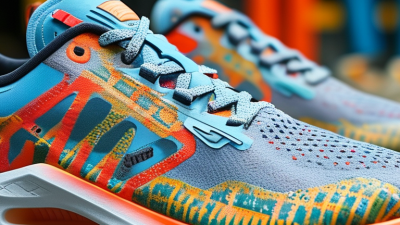
Main Types of Sports Shoe Suppliers and Manufacturing Models

2026 Top Sports Shoes Suppliers for Global Buyers

Sports shoe suppliers usually operate through OEM, ODM, contract manufacturing, or private-label models. OEM factories follow a buyer’s technical package, including materials, outsole drawings, and testing requirements. ODM suppliers offer existing shoe platforms that can be modified faster. Private-label partners often manage design, sourcing, packaging, and production under one agreement.

The World Footwear Yearbook 2024 reported about 23.9 billion pairs of footwear were produced globally in 2023. Asia supplied approximately 87% of that volume.

This concentration gives buyers strong access to component networks and skilled labor. However, capacity does not always equal reliability. A factory may show impressive machinery but struggle with consistent bonding, stitching, or shipment control.

Contract manufacturers suit established buyers needing repeatable specifications and larger orders. Vertically integrated suppliers can reduce coordination between upper, midsole, outsole, and final assembly. Smaller factories may provide lower minimum order quantities and closer sampling support. That flexibility can be valuable for testing a new market, although unit costs may rise.

Small details matter.

During supplier evaluation, buyers should verify audit records, material traceability, laboratory testing, defect rates, and production lead times. The Global Sports Footwear Market report by Grand View Research estimated the market at over 150 billion US dollars in 2023, increasing pressure on suppliers to deliver both speed and consistency. Yet no report replaces a factory visit. Sample approval is not enough; pre-production checks and random inspections remain necessary, because even a promising supplier can miss details under deadline pressure.

Key Criteria for Evaluating International Sports Shoe Suppliers

For global buyers comparing sports shoe suppliers in 2026, factory evidence matters more than polished sales presentations. I examine production lines, material storage, stitching quality, and final inspection procedures. A reliable supplier should explain each step clearly.

Start with product consistency. Request several samples from different production batches, not only one approved pair. Check outsole bonding, heel support, seam strength, weight, and sizing accuracy. Ask for material specifications and independent test reports when performance claims are important. Small defects often appear around eyelets, glue lines, or uneven mesh tension.

Capacity also needs careful verification. A supplier may promise large orders, yet struggle during peak seasons. Review monthly output, minimum order quantities, lead times, and backup production plans. Clear communication is essential. Can the team respond with measurements, photos, and corrective actions? That matters.

Sustainability claims require proof. Look for traceable materials, documented waste controls, and current certifications from recognized assessment bodies. Do not rely on attractive wording alone. I have seen promising samples fail after repeated flexing, so durability testing should match the buyer’s intended market and use. Pricing deserves reflection too. The cheapest quotation may exclude packaging, testing, tooling, or inspection costs. A detailed quotation reveals more than a low number. Supplier evaluation is rarely perfect, and even experienced buyers can overlook seasonal quality changes. Keep written records. Review them before placing the next order.

2026 Top Sports Shoes Suppliers for Global Buyers - Key Criteria for Evaluating International Sports Shoe Suppliers

Evaluation Dimension Recommended 2026 Benchmark Why It Matters to Global Buyers Documents or Evidence to Request Suggested Weight
Quality Management System A documented quality system aligned with ISO 9001 principles; defined incoming, in-process, and final inspection procedures. Reduces variation in fit, bonding, stitching, cushioning, and appearance across production batches. Valid certificate where applicable, quality manual, inspection plans, corrective-action records, and recent audit reports. 15%
Product Testing Capability Testing procedures covering outsole abrasion, flexing, bond strength, upper tear resistance, colorfastness, and dimensional stability. Sports footwear experiences repeated impact, bending, moisture, and friction; performance must be verified before shipment. Test methods, calibrated-equipment records, laboratory reports, sample test results, and third-party test reports when required. 14%
Material Traceability Lot-level traceability from approved raw materials to finished cartons, including upper, lining, foam, rubber, adhesives, laces, and packaging. Supports recalls, quality investigations, restricted-substance control, and consistent replenishment. Bill of materials, supplier approval list, batch records, warehouse labels, and traceability exercise results. 10%
Chemical and Restricted-Substance Compliance A written restricted-substance program covering applicable market requirements and buyer-specific chemical limits. Helps prevent customs delays, product withdrawals, regulatory penalties, and consumer-safety risks. Chemical inventory, safety data sheets, supplier declarations, laboratory reports, and documented chemical-management procedures. 12%
Ethical Labor and Workplace Safety Evidence of legal wages, working-hour controls, occupational-safety procedures, grievance channels, and prohibition of forced or child labor. Protects supply continuity and supports responsible-sourcing obligations in international markets. Independent social-audit reports, labor records, worker interviews where permitted, safety training logs, and remediation plans. 12%
Production Capacity and Scalability Capacity should be demonstrated by production-line allocation, equipment availability, workforce planning, and peak-season capacity—not only by stated monthly volume. A supplier must support sampling, launch orders, replenishment, and seasonal demand without compromising quality. Capacity plan, machine list, production records, staffing plan, utilization data, and contingency arrangements. 10%
Lead-Time Reliability A documented schedule from sample approval through material booking, production, inspection, and shipment, with measured on-time delivery performance. Reliable delivery improves inventory planning and reduces missed selling windows. Historical delivery data, production calendar, critical-path timeline, delay analysis, and escalation procedures. 9%
Minimum Order Quantity and Commercial Flexibility Clear minimums by model, color, size ratio, and material; transparent development, tooling, sampling, and packaging charges. Flexible commercial terms lower the risk of new-product launches and market testing. Quotation sheet, MOQ matrix, payment terms, tooling policy, sample charges, and change-order terms. 7%
Development and Customization Ability to support technical design review, grading, last development, color matching, performance materials, and prototype revisions. Strong development capability helps convert a specification into a manufacturable and comfortable product. Development calendar, sample room capabilities, technical files, revision history, and approved sample sign-off process. 6%
Sustainability and Resource Management Measurable programs for energy, water, waste, wastewater, packaging, and material efficiency, supported by documented data. Improves environmental reporting and may support buyer-specific sustainability requirements. Utility records, waste manifests, wastewater permits or test results, environmental objectives, and improvement plans. 3%
Export and Documentation Readiness Consistent handling of commercial invoices, packing lists, carton markings, certificates of origin, shipping instructions, and product-compliance files. Accurate documentation reduces customs holds, freight disputes, and delivery errors. Anonymized shipping documents, export workflow, document checklist, carton specification, and customs-support contacts. 2%
Total Suggested Evaluation Weight 100%

Note: Benchmarks should be adjusted to the destination market, product category, applicable regulations, order volume, and buyer-specific technical requirements. All certificates and test reports should be verified for validity, scope, issuing body, and production-site coverage.

Leading Sports Shoe Supplier Regions and Product Specialties

For global buyers, supplier geography often reveals more than a product catalogue. The World Footwear Yearbook 2024 reports that Asia produced 87.4% of global footwear in 2023. It also recorded 23.9 billion pairs worldwide. This concentration supports competitive sourcing, but it can increase exposure to freight disruptions and regional capacity shocks. Buyers should audit factories, not assumptions.

China offers broad specialization, from molded EVA trainers to technical court shoes and high-volume assembly. Vietnam is strong in export-oriented athletic footwear, especially stitched uppers and performance constructions. Indonesia supports sports footwear assembly and increasingly integrated component supply. India suits buyers seeking athletic basics, leather alternatives, and flexible medium-volume production. These descriptions are useful, but they are not universal. Factory-level differences remain substantial.

The World Footwear Yearbook 2024 shows Asian exporters held about 85% of global footwear exports. This reinforces the region’s sourcing importance. For product development, request outsole test results, abrasion data, bonding strength, and size-set samples. ISO 20344 testing principles can structure quality checks, even for non-protective shoes. Sustainability evidence needs equal care. Ask for material traceability, energy records, and wastewater documentation. I have seen polished samples hide weak production controls. A perfect prototype proves little. Regional expertise matters, but verified process capability matters more.

2026 Top Sports Shoe Supplier Regions

Asia remains the dominant global footwear manufacturing region, accounting for approximately 87.4% of worldwide footwear production in 2023. Europe, North America, South America, and Africa serve more specialized sourcing needs, including technical footwear, nearshore production, regional distribution, and selected labor-intensive manufacturing.

Regional shares are based on publicly reported 2023 global footwear production estimates. Product specialties represent common sourcing strengths by region and are not company-specific market shares.

Sourcing, Compliance, and Partnership Considerations for Global Buyers

Global buyers evaluating sports shoe suppliers in 2026 need more than attractive unit prices. Factory capability should match product use, order volume, and delivery region. Ask for production records, material specifications, and recent quality data. A supplier that answers clearly is easier to manage.

Request samples in the intended size range. Check heel stability, outsole bonding, stitching tension, odor, and packaging strength. Test pairs after repeated flexing and wet-dry cycles. Record results with photos and batch numbers. Small differences often expose weak process control. Details matter. Independent laboratory testing can verify restricted substances, durability, and labeling requirements for the destination market. Requirements vary by country. Confirm them before production, not after shipment. Review worker-safety policies, environmental records, and traceability documents through credible audits or site visits. Paperwork alone is not proof.

A dependable partnership needs written terms for tolerances, inspections, defect handling, payment stages, tooling ownership, and delivery delays. Use a pilot order before committing to seasonal volume. Keep communication practical: one shared specification, named contacts, and weekly production updates. Trust takes time. My own review habits still need improvement; an approved sample can hide later material substitutions. Recheck critical components during production. The cheapest offer may become expensive through rework, missed launches, or customer returns. Partnership quality is measured in difficult moments, not only during successful shipments.