Shose expert

15 Years Manufacturing Experience
DSC00533

China Top 10 Custom Sports Shoes Manufacturers?

Choosing the right Custom Sports Shoes manufacturer requires more than comparing factory prices. Product quality, design control, material sourcing, and delivery reliability matter equally. A bright sample can hide weak stitching, poor cushioning, or inconsistent sizing.

Bill Bowerman, Nike co-founder and renowned footwear innovator, once said, “If you have a body, you are an athlete.” His words reflect an important principle in custom footwear. Every shoe should support real movement, not only attractive branding. A running shoe needs responsive foam and stable heel support. A training shoe may require stronger sidewalls and a wider base. Small details matter.

This guide examines China’s top ten Custom Sports Shoes manufacturers through practical buying criteria. These include factory experience, customization capacity, production technology, quality inspection, minimum order quantities, and communication. We also consider whether a supplier can turn a sketch into a wearable shoe. That process involves more than printing a logo. It may include outsole development, upper material selection, mold design, size grading, and repeated sample testing.

The ranking is not absolute. A factory strong in basketball shoes may not suit trail running products. Some manufacturers also present polished catalogs without showing current production evidence. That deserves caution. Buyers should request samples, inspect stitching, test flexibility, and confirm factory capabilities before signing agreements. This article offers a useful starting point, but independent verification remains necessary. Real performance begins with careful questions.
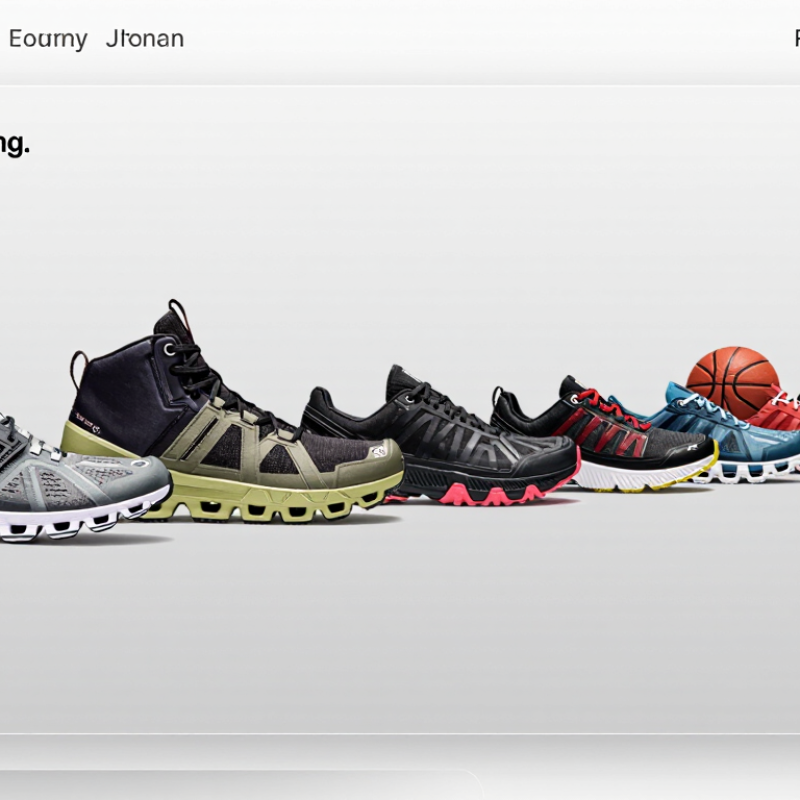
China Top 10 Custom Sports Shoes Manufacturers?

Definition and Scope of Custom Sports Shoe Manufacturing in China

China Top 10 Custom Sports Shoes Manufacturers?

Definition and Scope of Custom Sports Shoe Manufacturing in China

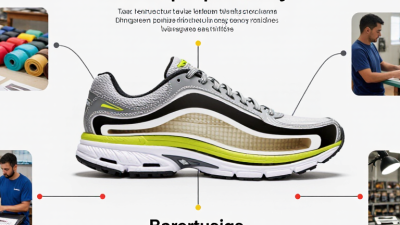
Custom sports shoe manufacturing in China covers the design, development, production, and inspection of footwear made for a specific customer or market. Customization may involve the upper pattern, sole structure, cushioning, materials, colors, sizing, packaging, and performance requirements. It is more than adding a logo. A running shoe, training shoe, and court shoe need different support, grip, flexibility, and weight control.

The process usually begins with a technical brief and reference sample. Designers then prepare sketches, material boards, and digital models. A factory may create a prototype, test the fit, and adjust the last before bulk production. Common materials include engineered mesh, synthetic leather, rubber, foam, and recycled textiles. Experienced manufacturers should document material sources, production tolerances, testing records, and worker safety procedures. Factory audits and independent inspections can improve reliability.

Details matter.

The scope also includes mold development, sample revisions, quality control, carton packing, and shipment preparation. However, “custom” does not guarantee superior performance. Some factories present attractive samples but lack stable mass-production control. A small change in foam density can affect comfort across thousands of pairs. Buyers should compare test results, production capacity, defect rates, and communication quality. Certifications may support assessment, but they do not replace hands-on verification. The category remains broad, and specifications are sometimes misunderstood between overseas buyers and technical teams. Clear drawings, measurable standards, and written approval records reduce that risk.

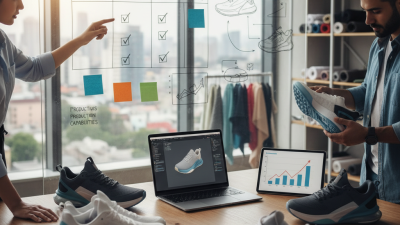
Key Criteria for Selecting China’s Top Custom Sports Shoe Manufacturers

China Top 10 Custom Sports Shoes Manufacturers?

Key Criteria for Selecting China’s Top Custom Sports Shoe Manufacturers

Choosing a custom sports shoe manufacturer requires more than comparing online catalogs. Begin with product experience, factory capability, and transparent communication. Ask whether the factory has produced similar running, training, or court shoe designs. A supplier may show attractive samples but lack stable mass-production control.

Request a physical sample before placing a large order. Check stitching, outsole bonding, heel support, mesh breathability, and insole comfort. Measure the sample against your approved specification sheet. Small differences can become serious after thousands of pairs. Review material test reports and quality records when available. A reliable factory should explain its inspection process clearly. Look for incoming material checks, mid-production inspections, and final carton checks.

Production flexibility matters for custom projects. Confirm minimum order quantities, mold fees, sample timelines, and monthly capacity. Ask how the manufacturer handles size grading and design changes. Clear answers usually reveal practical experience. Factory audits can also verify machinery, worker training, storage conditions, and packaging controls. Photos are useful, but they are not proof. Independent inspection adds confidence.

Communication deserves careful attention. Technical drawings, color references, and approval samples should remain organized. Delays sometimes come from unclear instructions, not poor workmanship. No supplier is perfect. I would still choose a factory that admits a limitation and offers a workable correction. That response shows accountability. A lower quotation may hide weaker materials, rushed inspections, or unstable delivery planning. Evaluate the complete production system, not only the first sample or final price.

Profiles of the Top 10 Custom Sports Shoe Manufacturers in China

China’s custom sports shoe sector combines large-scale production with increasingly precise small-batch development. The World Footwear Yearbook 2024 reports that China produced about 55% of the world’s footwear in 2023. That scale supports faster sampling, material sourcing, and export fulfillment.

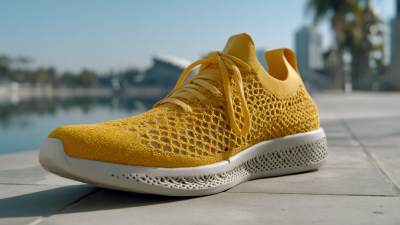
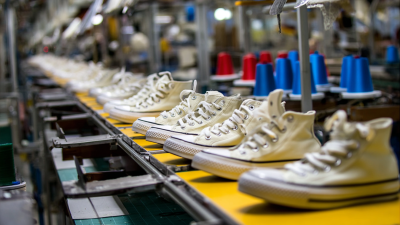
The ten manufacturer profiles reveal different strengths. Some factories specialize in running shoes, using molded EVA midsoles and breathable mesh uppers. Others focus on basketball footwear, reinforced heel counters, and abrasion-resistant outsoles. Several suppliers serve outdoor projects with waterproof membranes and deeper rubber lugs. Jinjiang and Dongguan remain important production clusters. Wenzhou is also known for flexible footwear supply chains. A few manufacturers support low minimum orders, while larger plants offer automated stitching and laboratory testing. The details matter.

Custom development usually follows a practical path: digital sketches, last selection, sample fitting, wear testing, and production approval. The McKinsey Sporting Goods Report 2024 highlights continued demand for product innovation and supply-chain flexibility. However, factory claims deserve careful checking. Reported capacity can exclude subcontracted work. “Fast delivery” may also mean rushed testing. That is a weakness buyers should question. Reliable evaluation should include audited production records, material certificates, defect rates, and recent export references. The best profile is not always the biggest factory. It is the manufacturer that documents each stage clearly, communicates limitations, and corrects a poor sample before mass production.

China Custom Sports Shoe Manufacturing Timeline

The chart presents practical planning ranges commonly used for custom sports shoe projects in China, covering design development, sample production, material preparation, bulk manufacturing, and export logistics. Actual timing varies according to shoe construction, order quantity, material availability, and inspection requirements.

Comparison of Product Types, Customization Services, and Production Capacity

China Top 10 Custom Sports Shoes Manufacturers?

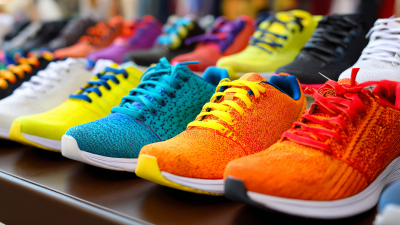
China’s leading custom sports shoe manufacturers differ sharply in product focus. Some specialize in running shoes, using lightweight mesh, EVA midsoles, and carbon-infused plates. Others produce basketball, football, training, or lifestyle footwear with stronger reinforcement. The World Footwear Yearbook 2024 reported global footwear production of about 23 billion pairs in 2023, showing the scale behind this supply chain. Yet production volume does not prove customization quality.

Customization services usually include last development, upper pattern changes, material selection, sole tooling, logo application, and packaging. Experienced factories should provide 3D drawings, physical samples, wear testing, and clear approval records. Small-batch programs often begin near 500 to 2,000 pairs per design, while larger facilities may produce tens of thousands monthly. These figures vary by construction and material availability. The numbers need scrutiny.

Production capacity also depends on stitching lines, molding equipment, quality inspectors, and export experience. A factory with many machines may still struggle with inconsistent sizing or delayed sample revisions. McKinsey’s sporting goods industry analysis has highlighted continued demand for product innovation and faster market response. That makes flexible production valuable, especially for new sports labels. However, capacity claims should be checked through factory audits, recent inspection reports, and sample comparisons. A perfect brochure proves little. Reliable evaluation should balance product range, development skills, defect controls, minimum order quantities, lead times, and documented monthly output.

How to Choose the Right Chinese Manufacturer for Your Sports Shoe Project

China Top 10 Custom Sports Shoes Manufacturers?

Choosing the right Chinese manufacturer requires more than comparing prices. During factory assessments, I inspect production lines, sample rooms, and material storage areas. A clean showroom is not enough. Ask whether the factory controls cutting, stitching, molding, and final packing internally. Outsourcing can create delays and inconsistent quality. Samples reveal more.

Request a development sample using your actual drawings, materials, sole design, and size range. Check stitching density, glue lines, heel support, flexibility, and surface finishing. Wear-test the shoes on pavement and indoor courts. Small defects often appear after repeated bending. Confirm minimum order quantities, mold charges, production capacity, and realistic delivery schedules in writing. A low quote may exclude testing or packaging costs.

Reliable manufacturers should provide traceable quality records and explain inspection procedures clearly. Review their experience with similar sports shoe structures, not only attractive product photos. Ask for material specifications, test reports, and factory audit documents. Communication also matters. Can the technical team understand measurements and revise patterns accurately? One overlooked detail can affect thousands of pairs. I have seen promising samples fail because the collar foam was too thin. That mistake was preventable, but it exposed a weak review process. Keep approval samples, signed specifications, and inspection checkpoints before bulk production begins. A cautious approach may feel slower, yet it protects fit, consistency, and project credibility.