Shose expert

15 Years Manufacturing Experience
DSC00533

Why Partner With a Running Shoes Manufacturer?

Why Partner With a Running Shoes Manufacturer?

The running market is expanding, but it is also becoming more demanding. Grand View Research estimates that the global athletic footwear market will continue growing through 2030, supported by fitness participation, athleisure demand, and online retail. Running footwear remains a key category within this market. However, growth alone does not guarantee a successful product.

A capable Running Shoes Manufacturer can turn a rough concept into a tested, scalable shoe. The process may include gait analysis, foam selection, outsole testing, size grading, and wear trials. A practical partner can also help refine heel counters, mesh density, rubber placement, and cushioning geometry. These details matter when a runner feels pressure under the arch after five kilometers.

Small details matter.

The McKinsey Sporting Goods reports highlight changing consumer expectations, including stronger demand for performance, value, and responsible production. Meanwhile, reports from the World Footwear Association show how footwear supply chains remain globally distributed and highly competitive. These findings suggest that product quality, communication, and production transparency should be evaluated together.

A manufacturer may provide technical knowledge, factory access, and production consistency. Yet partnership is not automatically successful. Minimum order quantities, tooling costs, testing standards, lead times, and communication gaps can create real pressure. Industry data also differs between research firms, so every forecast deserves careful review. That uncertainty is easy to overlook.

Choosing the right manufacturing partner means examining samples, certifications, material records, quality controls, and previous running-shoe experience. It also means asking difficult questions before signing a production agreement. A reliable partnership should protect performance, brand credibility, and customer trust from the first prototype to the final shipment.
Why Partner With a Running Shoes Manufacturer?

What a Partnership With a Running Shoes Manufacturer Involves

A partnership with a running shoes manufacturer begins with a practical conversation, not a finished sketch. The product team shares target runners, terrain, mileage, price range, and expected launch volume. Engineers then review cushioning, upper materials, outsole grip, heel structure, and fit. Details matter. An experienced manufacturer can challenge vague requests and explain which features may increase weight, cost, or production risk. This exchange turns an idea into a measurable development brief.

The working process usually includes digital drawings, material selections, prototypes, wear testing, and revisions. A sample should be tested on roads, tracks, and wet surfaces when relevant. Feedback needs specifics: heel slipping after six kilometers, pressure near the little toe, or outsole wear after repeated turns. Not every test passes. That is useful. A reliable partner records changes, confirms tolerances, and keeps approval samples for comparison. Quality teams may inspect bonding, stitching, dimensions, hardness, and packaging before shipment.

Production also involves minimum quantities, lead times, inspection points, and communication routines. Technical files should be clear enough for different teams to follow without guessing. Safety and labeling requirements must be checked for each sales market. A partnership is not completely hands-off. Delayed feedback can shift schedules, while rushed approvals can hide fit problems. A good concept can lose performance when a material substitution is not reviewed carefully. Every change deserves a written record and another test.
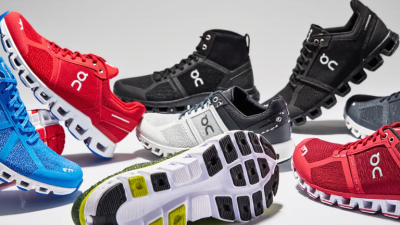
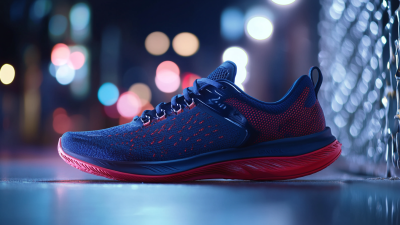
How Manufacturers Turn Shoe Concepts Into Products

A running shoe concept often starts with a sketch, a target runner, and a practical problem. A manufacturer turns that idea into measurable specifications: heel-to-toe drop, foam density, outsole rubber, upper materials, and flex points. This translation requires more than machinery. It requires experience with fit, gait, durability, and production limits. The team may question an attractive feature if it adds weight or creates pressure near the toes. Small decisions matter.

Development usually moves through samples. Designers review the last, pattern, stitching, bonding, and cushioning after each prototype. Wear testing can reveal heel slip, hot spots, or foam compression that a computer model misses. A reliable manufacturer records these findings and adjusts one variable at a time. That discipline helps separate a real improvement from a lucky result. Material testing also checks abrasion, color stability, adhesion, and repeated flexing. Results should be documented, not simply described as “good.”

The process is not perfectly linear. A sample may look excellent but feel stiff on a long run. A recycled fabric may meet a sustainability goal yet need stronger reinforcement. These trade-offs deserve honest discussion. Clear timelines, traceable samples, and transparent quality checks help partners make informed decisions. I have found that direct feedback works best when it includes measurements and runner comments. Some concepts need another revision. That is normal. The final product becomes credible when its performance matches its promises.

Why Partner With a Running Shoes Manufacturer? — How Manufacturers Turn Shoe Concepts Into Products
Product Development Stage Manufacturer Contribution Typical Deliverables Typical Time Range Key Technical Considerations Quality and Cost Impact
Concept Definition Translates design objectives into performance, construction, material, and production requirements. Product brief, construction plan, material direction, target specifications 1–2 weeks Intended use, foot shape, cushioning level, weight target, surface conditions, and price positioning Clear specifications reduce redesigns and prevent unsuitable materials from entering development.
Last and Fit Development Creates or adjusts the shoe last to control the internal shape, fit, and overall proportions. Last specifications, sample fit, toe-box and heel-fit adjustments 2–4 weeks Toe-box volume, heel hold, instep height, arch profile, and size grading Good fit improves comfort and lowers return risk.
Upper Engineering Converts sketches into manufacturable upper panels, patterns, reinforcements, and component placements. Pattern files, upper construction, reinforcement layout, material map 2–5 weeks Breathability, flexibility, abrasion resistance, seam placement, support, and assembly sequence Efficient pattern engineering can reduce material waste and improve consistency between pairs.
Midsole and Outsole Engineering Develops the cushioning geometry, traction pattern, flex zones, and tooling requirements. Tooling drawings, compound direction, tread design, flex-line layout 3–6 weeks Foam density, compression behavior, resilience, rubber coverage, grip, durability, and weight Material selection and tooling complexity strongly influence unit cost and performance.
Prototype Sampling Builds physical samples and coordinates revisions between design, development, and production teams. Initial sample, revised sample, fit comments, construction corrections 3–8 weeks Sample accuracy, component alignment, adhesive bonding, stitching quality, and visual execution Physical samples reveal issues that cannot be confirmed reliably through drawings alone.
Wear and Performance Testing Supports structured testing of fit, comfort, durability, traction, and construction integrity. Test plan, wear-test feedback, defect records, corrective-action list 2–8 weeks Repeated flexing, outsole wear, upper abrasion, cushioning response, moisture exposure, and seam strength Early testing helps identify product risks before tooling and bulk production are finalized.
Tooling and Production Preparation Converts approved designs into production-ready molds, work instructions, and inspection standards. Production molds, bill of materials, assembly instructions, inspection checklist 4–10 weeks Tooling tolerances, component availability, line balancing, process capability, and approved materials Accurate production preparation improves repeatability and reduces startup waste.
Pilot Run Produces a controlled small batch to verify processes, workmanship, material behavior, and packaging. Pilot units, process records, defect analysis, corrective-action report 1–3 weeks Actual production conditions, operator instructions, bonding time, stitching tension, and final dimensions Pilot production helps prevent repeated defects during larger-scale manufacturing.
Bulk Manufacturing Coordinates material preparation, cutting, stitching, molding, assembly, finishing, and packing. Finished footwear, batch records, production traceability, packaging units 4–12 weeks Order quantity, material lead times, production capacity, seasonal demand, and inspection requirements Planned production scheduling improves delivery reliability and inventory control.
Final Quality Control Checks finished pairs against approved samples, specifications, workmanship standards, and packaging requirements. Inspection report, measurement records, defect classification, shipment approval 1–3 days Pair matching, size accuracy, bonding, stitching, surface finish, outsole alignment, and carton labeling Final inspection reduces avoidable defects before products leave the production facility.

Key Benefits of Working With a Specialized Manufacturer

Why Partner With a Running Shoes Manufacturer?

Working with a specialized running shoes manufacturer brings practical expertise to every development stage. Experienced teams understand gait support, impact absorption, breathability, and outsole traction. They can recommend suitable foam densities and mesh structures for different running conditions. A skilled manufacturer also checks fit through repeated wear tests. Small details matter, such as heel slippage on a wet track. A prototype may look impressive but still feel wrong after five kilometers.

Tips: Ask for material samples, testing records, and a clear production timeline. Review the shoe last carefully, because a minor shape change can affect comfort. Discuss minimum order quantities before approving final designs. Request inspection points for stitching, bonding, sizing, and outsole alignment. Keep written records of every revision.

A reliable partner should provide traceable materials and consistent quality controls. This supports safer production and more dependable product performance. Specialized factories often manage pattern making, sample development, tooling, and bulk manufacturing in one process. That reduces communication gaps and can shorten development time. However, cost savings should not guide every decision. Cheaper materials may reduce durability or create uncomfortable pressure points. I have found that honest feedback improves the final shoe, even when it delays approval. Manufacturers should also explain testing limits clearly, rather than promising perfect results. Regular factory communication helps solve problems before cartons leave the production line.

How to Evaluate and Select a Manufacturing Partner

Why Partner With a Running Shoes Manufacturer?

How to Evaluate and Select a Manufacturing Partner

Choosing a running shoes manufacturer requires more than comparing unit prices. Start by checking experience with your shoe category, materials, and target performance. Ask for sample records, production photos, and measurable testing data. Useful tests may include abrasion resistance, sole bonding, flex durability, and cushioning recovery. Request reports from qualified laboratories when possible. Do not rely on attractive claims alone.

Visit the facility if practical. Observe how workers inspect stitching, adhesive coverage, and outsole alignment. Check whether raw materials are labeled and traceable from arrival to shipment. Review the factory’s monthly capacity, minimum order quantities, lead times, and backup plans. A capable partner should explain what happens when materials arrive late or a sample fails. Clear answers matter.

Communication is another practical test. Send a detailed specification sheet and note how carefully the team responds. During sampling, record revision dates, measurements, color references, and approval decisions. Verify certifications independently and ask for recent customer references where appropriate. A low quotation may hide weaker inspection systems or unpredictable delivery. No factory is perfect. That is worth remembering. I would rather see a documented weakness with a corrective plan than receive vague promises of flawless production. Start with a controlled pilot order before expanding volume. This step reveals real workmanship, packing quality, and shipment consistency.

How to Build an Effective Long-Term Partnership

A long-term partnership with a running shoe manufacturer should begin with shared operating standards, not a single low quotation. The World Footwear Yearbook 2024 reported 23.9 billion pairs of footwear were produced globally in 2023. Asia represented 87.4% of production. This scale makes supplier selection important, but consistency matters more than capacity.

Define measurable targets before production starts. Agree on material tolerances, cushioning density, outsole abrasion, stitching strength, and acceptable defect rates. Ask for traceable test records, not verbal assurances. A practical partnership includes quarterly demand reviews, shared development calendars, and factory visits. Small details matter. For example, reviewing a failed wear-test sample together can reveal whether the issue came from foam compression, last geometry, or poor sizing control.

Forecasts will still be wrong. That is normal. The difficult part is responding without damaging trust. Use flexible order windows, realistic lead times, and clear rules for material changes. Grand View Research valued the global athletic footwear market at approximately 152.5 billion dollars in 2023, showing strong commercial opportunity. Yet rapid growth can encourage rushed decisions. A reliable manufacturer should challenge unrealistic timelines, document corrective actions, and protect product quality under pressure. The partnership may not feel perfect every quarter. Honest reviews make it stronger.

Why Partner With a Running Shoes Manufacturer?

How to Build an Effective Long-Term Partnership

Asia accounted for approximately 87.4% of global footwear production in 2023. This concentration makes long-term manufacturer partnerships valuable for securing production capacity, improving quality consistency, coordinating product development, and building more resilient supply chains.

Source: World Footwear Yearbook 2024; regional shares are rounded estimates based on reported 2023 production data.