Shose expert

15 Years Manufacturing Experience
DSC00533

China Top Private Label Sneakers Manufacturers?

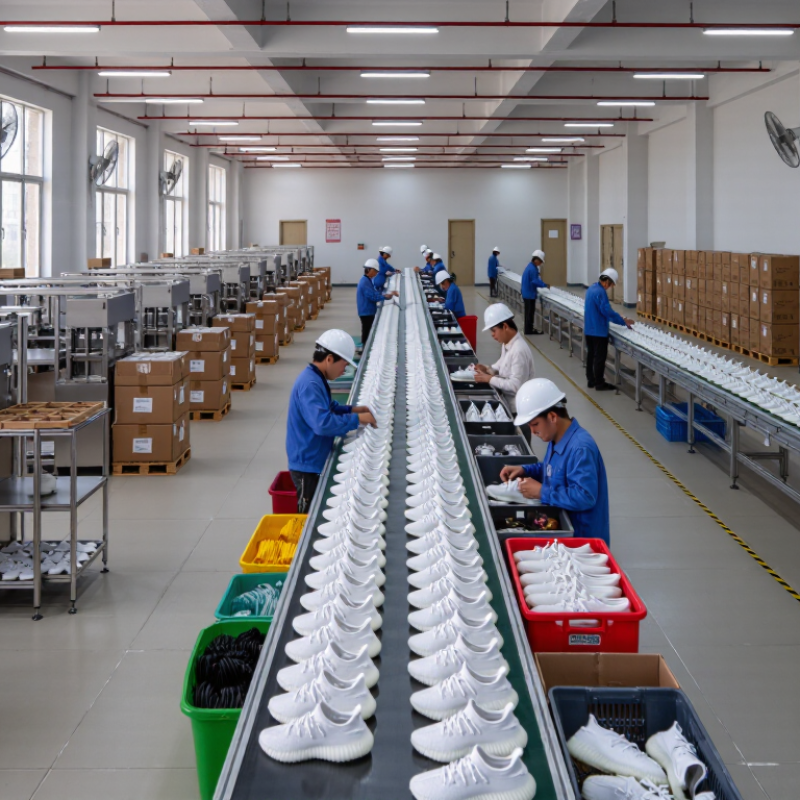
China remains a major sourcing base for brands seeking reliable Private Label Sneakers production. The World Footwear Yearbook 2024 reports that China produced approximately 55% of the world’s footwear in 2023. Its manufacturing depth is visible in specialized clusters across Fujian, Guangdong, Zhejiang, and Jiangsu. These regions connect material suppliers, pattern makers, outsole factories, laboratories, and export teams within practical distances.

Market growth also supports this sourcing interest. McKinsey & Company and the World Federation of the Sporting Goods Industry projected annual sporting-goods growth of about 3% to 4% from 2024 through 2028. Yet growth alone does not guarantee a suitable factory. A buyer still needs to verify sample accuracy, minimum order quantities, material consistency, testing records, and production capacity. A white mesh upper may look correct in one sample but feel different after 5,000 pairs. That detail matters.

Professional sourcing decisions should combine factory visits, third-party inspections, and documented communication. Reports from the International Trade Centre can help buyers compare trade flows, while the World Footwear Yearbook provides useful production context. However, public reports rarely reveal a supplier’s real quality discipline. This is where careful experience becomes valuable. Some manufacturers offer impressive catalogs but weak development support. Others have modest websites and stronger technical teams. The best choice is not always the largest factory. It is the partner that can repeatedly deliver the agreed design, fit, packaging, and timeline. Buyers should remain cautious, because “low cost” can become expensive after revisions, delays, or rejected inspections.
China Top Private Label Sneakers Manufacturers?

Private Label Sneaker Manufacturing in China: An Overview

Private Label Sneaker Manufacturing in China: An Overview

China’s private label sneaker industry covers design support, material sourcing, sampling, production, and export preparation. Experienced manufacturers usually begin with a technical specification sheet. It should show measurements, upper materials, sole density, stitching details, and packaging needs.

Factory selection requires more than reviewing online photos. Buyers should request production samples, audit reports, equipment details, and recent quality records. A reliable factory can explain its minimum order quantity, tooling costs, lead times, and inspection process clearly. Small material differences can affect comfort, durability, and final pricing. Ask for physical samples.

Development often starts with a prototype, followed by wear testing and several adjustments. Fit problems may appear only after walking, bending, or extended use. No factory gets every sample right. That is normal, but poor communication makes corrections expensive. Clear approval records reduce misunderstandings between designers and production teams.

Manufacturers may offer mesh, synthetic leather, recycled fibers, rubber, EVA, and other commonly used materials. Buyers should verify material composition and supplier documentation before mass production. Independent inspections can check dimensions, bonding strength, color consistency, labeling, and carton packing. Production schedules can shift during peak periods, so realistic planning matters. I have seen attractive samples fail because their soles separated during testing. Cost matters, but repeatable quality matters more.
China Private Label Sneaker Manufacturing: Global Footwear Position

China remained the world's largest footwear manufacturing and exporting base in 2022. It accounted for approximately 54.6% of global footwear production and 65.5% of global footwear exports by volume, while Asia represented 87.4% of global footwear production. This large industrial ecosystem supports private label sneaker projects through broad supplier networks, material access, tooling capability, and export infrastructure.

Source: World Footwear Yearbook 2023; figures refer to the overall footwear industry rather than individual companies or brands.

Key Criteria for Evaluating Chinese Sneaker Manufacturers

China Top Private Label Sneakers Manufacturers?

Choosing China’s top private label sneaker manufacturers requires more than a polished sample. In factory visits and sampling projects, I examine material control, stitching accuracy, production discipline, and communication. A good shoe should match the approved specification, not merely look attractive in photographs. Ask for factory details, worker capacity, equipment lists, and recent quality records. Evidence matters.

Evaluate development skills through a complete sample process. Can the team convert your drawings into accurate patterns? Do they explain foam density, outsole rubber, adhesives, and wear expectations clearly? Request a size set, not one perfect pair. Inspect symmetry, bonding, heel support, odor, and color consistency. Test samples under realistic walking conditions. Laboratory reports can help, but they should match the actual materials used in production.

Reliability appears in small habits. The manufacturer should confirm tolerances, inspection points, packaging details, and delivery risks in writing. Ask how defects are recorded and corrected. A pre-shipment inspection is useful, but it cannot replace process control. I once trusted a convincing sample and overlooked weak communication; later changes caused avoidable delays. That mistake still shapes my evaluation. Price deserves attention, yet unusually low quotes may hide thinner materials, rushed work, or incomplete testing. Check compliance documents and product labeling for every target market. Do not rely on promises alone. Visit when possible, speak with the technical team, and compare repeated samples over time.

China Top Private Label Sneakers Manufacturers? - Key Criteria for Evaluating Chinese Sneaker Manufacturers

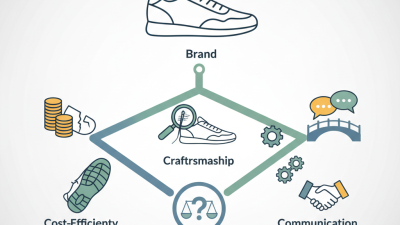
Evaluation Dimension Recommended Benchmark What to Verify Suggested Weight Risk Indicator
Relevant Manufacturing Experience At least 3 years producing the required sneaker category Factory profile, product samples, production records, and references for comparable construction 15% Only trading-company credentials or unrelated footwear experience
Production Capacity Capacity should match the forecast without compromising lead time or quality Monthly capacity by model, number of production lines, peak-season planning, and subcontracting policy 10% Capacity claims cannot be supported by line plans or production evidence
Minimum Order Quantity Common private-label starting ranges are approximately 300–1,000 pairs per color or style MOQ by material, color, size run, outsole, packaging option, and repeat-order terms 10% Low MOQ is advertised but hidden setup or material charges apply
Sample Development Initial prototype commonly requires about 7–15 working days, depending on complexity Sample timeline, revision allowance, sample fee, 3D or technical drawing support, and approval process 10% No written specifications, approval record, or measurable revision process
Material and Component Control Materials must meet the agreed technical specification and color standard Material test reports, supplier approval procedures, color swatches, incoming inspection, and traceability 15% Material substitutions are permitted without written buyer approval
Quality Management Documented inspections from incoming materials through final packing Inspection checklist, defect classification, in-line inspection records, final AQL plan, and corrective-action reports 15% Quality is checked only after production is completed
Compliance and Factory Verification Business registration, facility identity, and required market compliance should be independently confirmed Business license, factory address, audit reports, product testing, restricted-substance controls, and social-compliance records 10% Documents are expired, unverifiable, or issued for a different entity
Lead Time and Delivery Reliability Bulk production commonly takes about 30–60 days after sample and material approval Material readiness, production schedule, holiday planning, shipment history, and delay-notification procedure 10% Lead-time quotation excludes tooling, material sourcing, or inspection time
Cost Transparency Quotation should separate footwear, packaging, tooling, sampling, testing, and logistics costs Detailed quotation, payment terms, tooling ownership, price-validity period, and change-order policy 5% Unusually low price with unspecified materials or excluded production costs
Communication and After-Sales Support A named contact, clear technical communication, and documented handling of defects or claims Response times, development updates, claim-resolution procedure, replacement policy, and spare-component support 10% Slow responses, unclear responsibility, or no written remedy for confirmed defects

Practical screening rule: Shortlist manufacturers that can document their legal identity, relevant production capability, sample approval process, quality controls, material traceability, and delivery performance before comparing quoted prices.

Leading Regions and Production Hubs for Private Label Sneakers

China Top Private Label Sneakers Manufacturers?

Leading Regions and Production Hubs for Private Label Sneakers

China’s private label sneaker industry is concentrated in several specialized production hubs. Jinjiang and Quanzhou, in Fujian Province, are strong choices for sports shoes, running styles, and vulcanized footwear. Their factories often share nearby material markets, mold workshops, testing services, and packaging suppliers. This shortens development time and simplifies sample revisions.

Guangdong remains important for fashion sneakers and complex upper construction. Dongguan offers skilled stitching teams, outsole suppliers, and flexible assembly capacity. Guangzhou is useful for sourcing materials and comparing factory options. Zhejiang also supports casual and lightweight footwear production, especially around Wenzhou. In my experience, a factory’s communication quality matters as much as its machinery. A polished sample can still hide weak quality control. Details matter. Buyers should inspect bonding lines, heel counters, stitching density, and size consistency before placing bulk orders. Independent laboratory testing can confirm material safety, slip resistance, and durability requirements for the target market.

Tips: Ask each manufacturer for a factory audit, sample timeline, minimum order quantity, and production photographs. Request a written quality standard with measurable tolerances. Visit the facility when possible. If travel is difficult, use live video inspections and third-party checks. Do not choose only by the lowest quotation; cheaper materials may create returns, delays, and costly redesigns. One weakness remains common: some suppliers promise broad customization but rely heavily on subcontractors. Verify production ownership before signing an agreement.

Manufacturing Capabilities, Materials, and Customization Options

Private label sneaker production in China depends on more than a factory catalog. Experienced buyers should inspect cutting, stitching, molding, lasting, and final inspection at each stage. A capable manufacturer can develop samples from a sketch, technical pack, or physical reference. Production teams should explain mold timelines, minimum order quantities, testing procedures, and defect handling clearly. Ask for factory videos, sample records, and recent material certificates. These details build trust, although paperwork alone cannot prove daily quality.

Material selection changes comfort, cost, durability, and appearance. Common options include engineered mesh, recycled polyester, microfiber, coated textiles, rubber, EVA, and lightweight foam compounds. Ask how materials perform after flexing, abrasion, water exposure, and heat.

Customization may cover outsole geometry, cushioning density, woven labels, colors, packaging, and size grading. Small details matter. A one-millimeter logo shift can affect alignment across panels. Some development teams promise unlimited changes, but repeated revisions can delay delivery and increase sampling costs. I have found that clear measurements prevent more problems than attractive mood boards.

Tips: Request a signed specification sheet before sampling. Confirm material composition, color references, tolerance ranges, testing standards, and inspection points. Keep one approved sample sealed for comparison. Do not approve bulk production from photographs alone. A factory may look organized during a visit, yet subcontracted processes can remain unclear. Ask who controls molding, printing, and final packing. This process is imperfect, but honest questions expose weak planning early.

How to Select and Work With a Chinese Sneaker Manufacturer

China Top Private Label Sneakers Manufacturers?

How to Select and Work With a Chinese Sneaker Manufacturer

Selecting a Chinese sneaker manufacturer requires more than comparing unit prices. Check their factory experience, production capacity, material sources, and export documentation. Ask for recent product samples, not only polished catalog photos. Inspect stitching, sole bonding, lining, odor, and size consistency. Small defects often become expensive at scale.

Request a clear development process. A reliable supplier should explain pattern making, sample revisions, tooling fees, minimum order quantities, and production timing. Share a detailed specification sheet with measurements, materials, colors, packaging, and quality tolerances. Keep every change in writing. Vague instructions create avoidable disputes.

Factory visits or independent inspections can reveal useful details. Look at cutting areas, storage conditions, worker organization, and quality checkpoints. Confirm whether production is handled directly or subcontracted. Contracts should define approved samples, inspection standards, payment stages, delivery terms, and remedies for defects. Communication also matters. A fast reply is not always a professional reply.

Do not choose the cheapest quote too quickly. A lower price may hide thinner materials, weaker glue, or unstable labor planning. I would leave room for mistakes in the timeline, because development rarely follows the first plan. A second sample may expose problems that the first sample conceals. Review performance after every order and improve the process, even when the shipment appears successful.