Best Private Label Sneaker Manufacturer in China?
Choosing the Best Private Label Sneaker Manufacturer in China requires more than comparing factory prices. The market is large, competitive, and increasingly sensitive to quality. The World Footwear Yearbook 2024 reported approximately 22.4 billion pairs of shoes were produced globally in 2023. Asia remained the dominant manufacturing region. That scale creates opportunity, but it also creates noise.
Matt Powell, a respected sports industry analyst, once said, “Sneakers are a fashion item, not just a performance product.” His observation matters for private label brands. A successful sneaker must look attractive on a retail shelf, feel comfortable during daily wear, and survive repeated movement. Small details matter. Think of clean stitching, firm heel counters, flexible outsoles, and accurate color matching.
McKinsey’s Sporting Goods 2025 report also highlights stronger consumer attention toward value, product quality, and brand relevance. Buyers may accept a higher price when the product feels dependable. They may not forgive a peeling logo after two weeks. A reliable Private Label Sneaker Manufacturer should therefore provide material documentation, sample development, production inspections, and transparent communication. Factory audits and laboratory testing add useful confidence, although neither guarantees perfection.
A polished website proves little. I may be too cautious, but cautious sourcing is usually cheaper than correcting thousands of defective pairs. This guide examines manufacturing experience, minimum order quantities, customization ability, lead times, compliance practices, and after-sales support. The best partner is not automatically the largest factory. It is the manufacturer that can repeatedly turn a detailed design brief into consistent, saleable footwear.
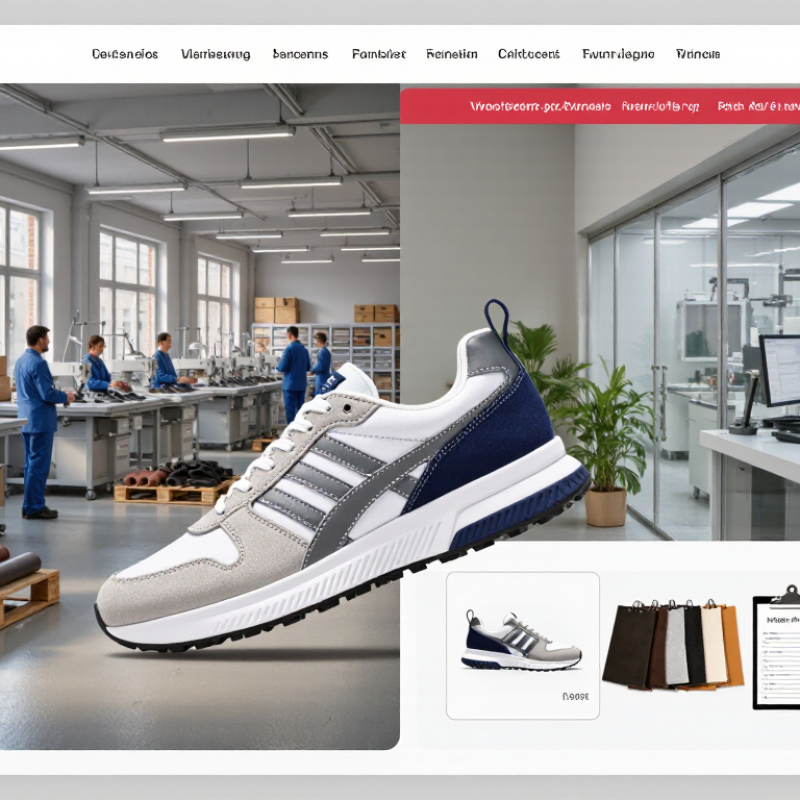
What Is a Private Label Sneaker Manufacturer? China’s 53.2% Export Share
A private label sneaker manufacturer produces footwear for another company’s label. The factory handles pattern development, material sourcing, sampling, production, and packaging. The buyer controls the name, design direction, sizing, and retail positioning. This model suits businesses that want original sneakers without building their own factory.
China remains a major sourcing center. Industry trade data often reports China holding about 53.2% of global sneaker export share, although figures change by product definition and reporting year. That scale gives manufacturers access to mesh, leather alternatives, rubber compounds, molds, and skilled assembly teams. During factory visits, buyers should inspect stitching, bonding lines, heel support, and outsole flexibility. A polished sample is not enough.
Ask for material specifications and test records. Confirm whether the production sample matches the bulk order. Small differences matter. A softer foam can change comfort. A heavier outsole can raise shipping costs. Communication also needs structure, including approved drawings, size charts, color references, and inspection points. I have seen delays caused by one unclear measurement. The process is rarely perfect. Buyers should allow time for another sample, because rushed approvals often create avoidable defects. A reliable manufacturer explains limitations, reports production changes early, and accepts reasonable quality checks. China’s export strength is valuable, but factory selection still depends on evidence, consistency, and careful follow-up.
How to Compare OEM and ODM Factories Using MOQ, Capacity, and Lead Times
Best Private Label Sneaker Manufacturer in China?
Choosing an OEM or ODM factory requires more than comparing quoted prices. The World Footwear Yearbook 2024 reports that Asia produced about 87% of global footwear in 2023. China remains a major sourcing base, but factory capability varies sharply. OEM factories follow your technical package, while ODM factories offer existing lasts, patterns, and material options. This can shorten development, though customization may be limited.
Start with MOQ, capacity, and lead time. A practical starting MOQ may range from 300 to 1,000 pairs per color, depending on materials and construction. Ask whether the MOQ applies to each size, color, or total order. Capacity should be checked through monthly output, stitching lines, molding equipment, and trained workers. A factory claiming 100,000 pairs monthly may still struggle with a 2,000-pair pilot order. That sounds odd, but production scheduling matters. Lead times of 30–60 days are common after sample approval, while new molds and special materials can add several weeks. These are working benchmarks, not guarantees.
Tips: Request a capacity plan, sample timeline, and production calendar in writing. Compare actual shipment records, not only brochures. Check how defects are recorded and corrected. I would also test a small order before scaling. It costs more upfront, yet it exposes weak communication, unstable sizing, or material substitutions early. The best factory is not always the cheapest one. A realistic partner explains constraints before accepting the order.
Cost Analysis: Materials, Tooling, Duties, and China’s 13% Export VAT Rebate
Choosing the best private label sneaker manufacturer in China requires a detailed cost review. Material prices often shape the largest portion of the factory quote. Mesh, synthetic leather, rubber, foam, laces, and packaging each affect the final unit cost. A sample with thicker foam may feel better, but it can raise shipping weight and production expense.
Tooling creates another important cost. A custom outsole mold may require a separate charge, depending on its size and complexity. Ask whether the mold remains available for future orders. Some suppliers include basic tooling in the quotation, while others list it separately. Written terms matter. Early estimates are often too optimistic.
Import duties depend on the destination country, product classification, and customs value. Do not treat a general duty percentage as guaranteed. China’s 13% export VAT rebate also requires careful checking. The applicable rebate may vary by HS code and current policy. It may not equal 13% for every sneaker component. Confirm whether the factory or trading company handles export documentation. Request a cost sheet showing materials, labor, tooling, inland freight, duties, and rebate assumptions. A spreadsheet can still mislead when exchange rates, inspection fees, or rejected pairs are ignored. Reliable manufacturers explain these details clearly.
Private-Label Sneaker Cost Analysis per Pair
Illustrative China export model based on a US$20 FOB sneaker order. The 13% export VAT rebate is shown as a cost benefit; import duty varies by destination country, tariff classification, and declared customs value.
Materials are typically the largest cost driver. Tooling is treated as a first-order amortized cost, while the duty example uses a 20% planning assumption on a US$14.50 customs value. Actual quotations depend on materials, order quantity, construction, Incoterms, destination, and applicable tariff rules.