Why Choose the Best Running Shoes Supplier for Your Business?
In the competitive world of athletic footwear, choosing the right Running Shoes Supplier is crucial for business success. According to David Baker, a renowned industry expert with over 20 years of experience, "The supplier you choose can make or break your product line." This statement underscores the weighty responsibility that comes with selecting a supplier.
A reliable Running Shoes Supplier not only provides quality products but also ensures timely delivery and strong communication. This aspect is vital for maintaining customer loyalty and gaining market share. Suppliers with a solid reputation often have established connections in the industry. These connections can lead to better pricing, innovative designs, and efficient logistics. However, not all suppliers guarantee these benefits. Some may lack the reliability or expertise needed to support your brand effectively.
Businesses must reflect on their supplier choices regularly. Is your current supplier meeting your expectations? Are you aware of potential alternatives? As the market evolves, so should your supplier strategy. Your choice of a Running Shoes Supplier defines not just your inventory, but your brand's identity and customer satisfaction.
Understanding the Importance of Quality in Running Shoes for Performance
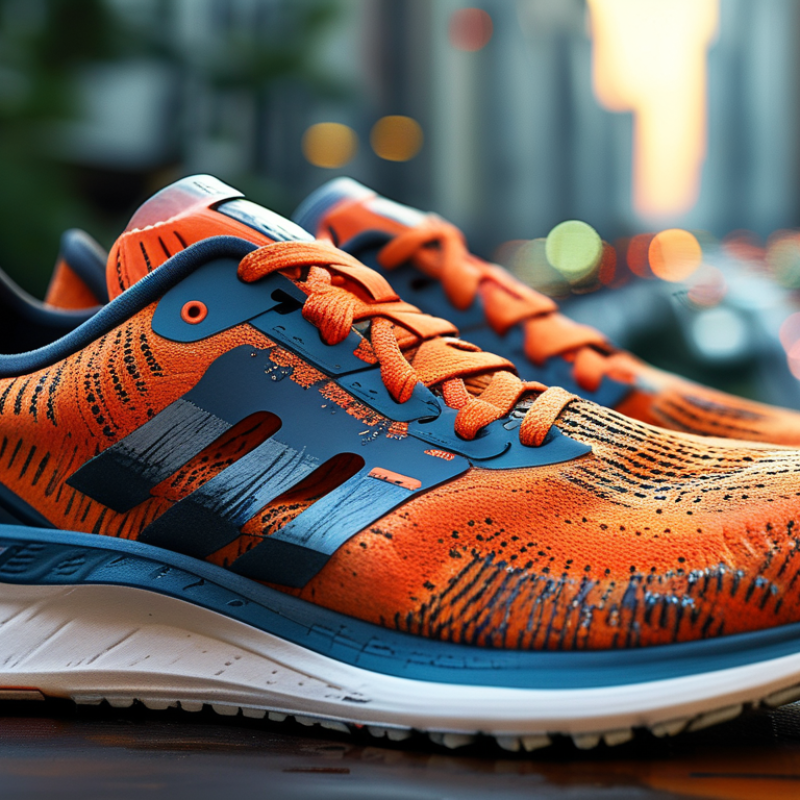
Choosing quality running shoes is vital for both comfort and performance. The right shoes can significantly enhance a runner's experience. They provide necessary support, reduce injury risks, and improve overall efficiency. A poorly constructed shoe can lead to blisters, fatigue, or even long-term damage. Each material and design must be considered carefully to meet the needs of various athletes.
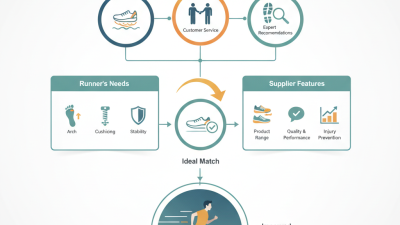
Understanding your target market is essential. Different runners have unique requirements based on their experience levels and running styles. For example, long-distance runners often need cushioning and support for their feet. In contrast, sprinters might prioritize a lightweight design for speed. Sometimes, the shoe that seems perfect on paper doesn’t perform well in practice. Testing various options is crucial; what feels good in the store may cause discomfort on a long run.
Quality also impacts brand reputation. Consumers today are well-informed. They seek durable, reliable footwear that justifies their spending. A partnership with a reputable supplier ensures access to high-quality materials and innovative designs. This connection allows businesses to adapt and respond to changing market trends. Investing in quality shoes enhances performance, fostering customer loyalty through positive experiences.
Performance Analysis of Different Running Shoe Materials
Key Factors to Consider When Choosing a Running Shoe Supplier
Choosing the right running shoe supplier is crucial for retailers looking to stand out in a competitive market. A study from the Sports and Fitness Industry Association indicates that the running footwear market is projected to reach $8.6 billion by 2025. This growth highlights the importance of selecting a supplier with a deep understanding of current market trends. Collaborating with a supplier that offers innovative products can help your business thrive.
Quality control is another critical factor to consider. According to industry reports, around 15% of footwear is returned due to defects. Working with a reliable supplier ensures that quality standards are met consistently. Additionally, it’s vital to evaluate their manufacturing processes. Ethical practices are not just trendy; 70% of consumers prefer brands with sustainable sourcing. A supplier's commitment to sustainability can positively impact your brand image and customer loyalty.
Logistics plays an indispensable role in the supply chain. A slow response time can hinder your ability to meet customer demands. Consider a supplier that offers flexible ordering options and timely delivery. However, it’s worth noting that not all suppliers may provide clear communication channels. This gap can create misunderstandings. Look for transparency in the supply process, as it fosters trust and reliability in your business operations.
Analyzing Market Trends and Demand in the Running Shoe Industry
The running shoe industry is dynamic, with trends shifting rapidly. Understanding market demand is crucial for any business involved in this niche. Consumers prioritize comfort, style, and performance. Sustainability is becoming a key factor. Many buyers seek eco-friendly options. This trend indicates a shift towards brands that prioritize ethical production.
Analyzing these trends reveals that customization is gaining traction. Runners want shoes tailored to their specific needs. A supplier offering customization options can attract a larger client base. This demand creates opportunities for suppliers willing to innovate. However, navigating these trends can be challenging. Suppliers must stay informed about consumer preferences and emerging technologies.
Competitiveness in this market is intense. Suppliers must embrace data analytics to understand consumer behavior. Successful businesses adapt quickly to changing trends. However, some struggle to keep up. They may overlook valuable market signals. Investing in research and understanding market nuances is essential. Without this, suppliers risk falling behind in a rapidly evolving landscape.
Evaluating Supplier Reputation and Customer Satisfaction Ratings
When selecting a running shoes supplier, evaluating their reputation is vital. A supplier's history can reveal much about their reliability. Look for established companies known for quality products. Customer reviews often provide insights into the user experience. Positive feedback can indicate satisfaction, while consistent complaints might raise red flags.
Customer satisfaction ratings are also critical. High ratings suggest a commitment to service and product excellence. Check various platforms to gather a broad perspective. Sometimes, ratings can be misleading. A single unhappy customer may skew results. It's essential to look at trends rather than isolated incidents.
It's beneficial to ask questions. Engaging with current customers can yield valuable insights. Understand their experiences, especially in challenging situations. Suppliers sometimes underperform during peak demand. Responsiveness during such times is crucial. Trust and reliability are built through transparency and communication. Consider if the supplier is open to feedback for continual improvement.
Cost vs. Quality: Finding the Right Balance for Your Business Needs
When selecting running shoes for your business, balancing cost and quality is essential. Understanding your target market's needs helps in making informed decisions. High-quality shoes enhance customer satisfaction but come with a price tag. Conversely, lower-cost options can save money but may not provide the durability or comfort expected.
Finding the right balance often involves trade-offs. For instance, investing in better materials can significantly improve the shoe's lifespan. However, if budgets are tight, it’s vital to evaluate product performance against price. Some cheaper shoes may lead to higher return rates, negating initial savings.
Consider feedback from your customers. Are they satisfied, or do they frequently complain about discomfort? Regularly reassessing product choices ensures that you meet consumer expectations. It’s a process of trial and error, requiring patience. Ultimately, prioritizing quality, even at a higher cost, can foster long-term loyalty and repeat business.