Why Are Casual Ugly Shoes Trending Worldwide?
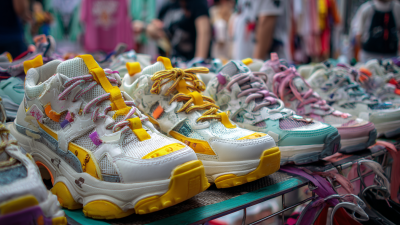
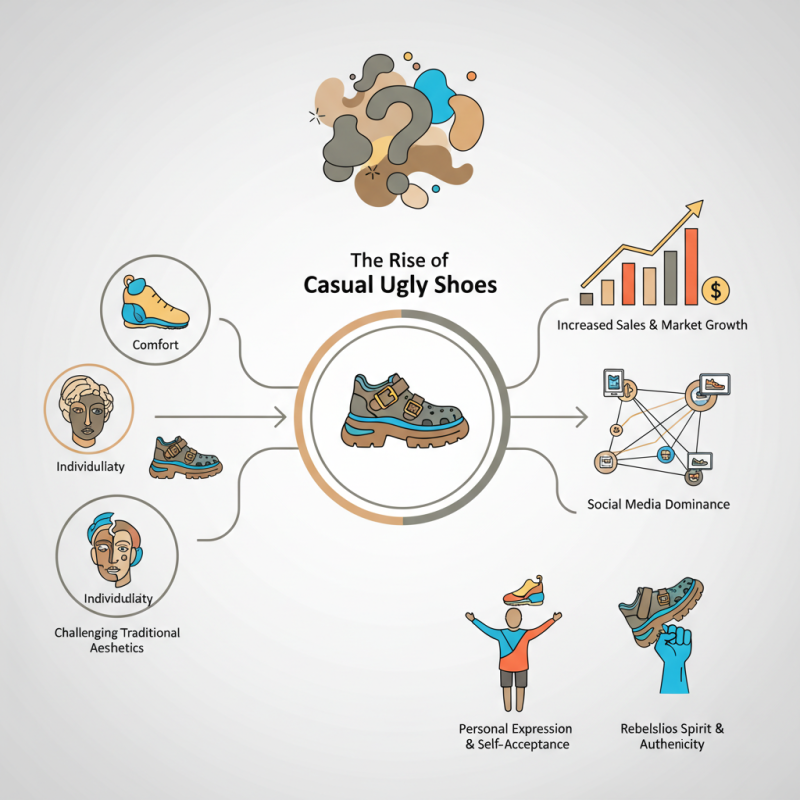
The rise of Casual Ugly Shoes has taken the fashion world by storm. Reports show a significant increase in sales, with the global footwear market expected to reach $530 billion by 2027. This trend represents a pivotal shift in consumer preferences, where comfort and individuality trump traditional aesthetics. Casual Ugly Shoes, once perceived as a niche market, now dominate social media platforms.
Industry experts note that brands like Balenciaga and Nike have embraced this unconventional style. Casual Ugly Shoes cater to a growing desire for personal expression. However, the trend's imperfections raise questions. Are we sacrificing elegance for comfort? The juxtaposition of clunky designs with high fashion challenges longstanding beauty norms.
As these shoes gain popularity, there’s a need for reflection. While brands capitalize on the trend, consumers must consider the message they send. Embracing Casual Ugly Shoes goes beyond mere style; it symbolizes a cultural shift towards authenticity and self-acceptance. The allure of comfort, combined with a rebellious spirit, drives this global phenomenon.
The Concept of "Ugly" Shoes in Contemporary Fashion Trends
In recent years, "ugly" shoes have emerged as a prominent trend in contemporary fashion. These shoes, often characterized by their unconventional designs and bold colors, resonate with a growing desire for individuality and comfort in style. According to a report from the Fashion Institute of Technology, 45% of consumers are now prioritizing comfort over traditional aesthetics when making footwear choices. This shift reflects a cultural move towards embracing the unconventional.
The concept of ugly shoes is closely linked to the notion of authenticity in fashion. As consumers increasingly seek ways to express their unique identities, they find solace in designs that defy conventional beauty standards. This movement invites individuals to challenge societal norms and consider functional design over luxury. However, it also raises questions about sustainability, as some mass-produced options may lack durability.
Tips: Embrace the unexpected. Pair ugly shoes with classic outfits for a striking contrast. Consider how you feel in these styles, rather than just how they look. Don’t shy away from bold colors; they can add personality to simple ensembles. Lastly, explore thrift stores for unique finds that reflect your style while being conscious of the environment.
The Role of Celebrity Endorsements in Popularizing Casual Ugly Shoes
Celebrity endorsements have a powerful influence on fashion trends. Research shows that up to 70% of consumers trust celebrity recommendations. This paints a clear picture of how stars can shape public sentiment around products. They often take daring risks with their fashion choices, helping to establish casual ugly shoes as must-have items.
Take, for instance, the rise of chunky sneakers. Celebrities spotted in them have made these styles fashionable. One study indicates that casual ugly shoes sales soared by 25% after high-profile stars wore them at events. This phenomenon suggests a direct correlation between celebrity culture and consumer behavior.
However, the trend raises questions about authenticity. Are fans genuinely drawn to these designs, or simply influenced? Many consumers admit that they often buy what celebrities promote, even if they wouldn’t in a vacuum. This reliance on celebrity-led trends may reflect deeper societal issues about individualism and self-expression.
Cultural Influences Shaping the Acceptance of Casual Ugly Footwear
The rising trend of casual ugly shoes underscores a significant cultural shift. Many factors contribute to this acceptance. A report by the Global Footwear Market predicts a 6% annual growth in the casual footwear sector, fueled by changing consumer behavior. People seek comfort over traditional aesthetics. This reflects a broader movement towards individuality and self-expression.
Social media plays a crucial role. Platforms like Instagram and TikTok feature influencers embracing “ugly” styles, promoting the idea that uniqueness is desirable. According to a survey by the Fashion Institute, 70% of respondents view comfort as more important than style. This data highlights how cultural influences reshape standards.
However, not everyone is on board. Critics argue that this trend may dilute fashion quality and craftsmanship. The emphasis on comfort can overshadow the artistry of shoe design. Some consumers express concern that comfort shouldn't come at the expense of creativity. This ongoing dialogue around casual ugly shoes reveals an evolving landscape in fashion.
Why Are Casual Ugly Shoes Trending Worldwide? - Cultural Influences Shaping the Acceptance of Casual Ugly Footwear
| Region |
Popularity Level |
Cultural Influences |
Age Group |
Reasons for Trend |
| North America |
High |
Streetwear Movement, Social Media Influence |
18-35 |
Comfort, Self-expression, Rejection of Traditional Aesthetics |
| Europe |
Moderate |
Fashion Trailblazers, Environmental Concerns |
20-40 |
Sustainability, Quirkiness, Artistic Expression |
| Asia |
Growing |
Youth Culture, K-Pop Influence |
15-30 |
Trendiness, Individuality, Cultural Icons |
| Australia |
Moderate |
Casual Lifestyle, Outdoor Activities |
25-45 |
Practicality, Versatility, Local Influences |
The Intersection of Comfort and Style in the Fashion Industry
As comfort dictates today’s fashion landscape, casual ugly shoes have risen to prominence. These shoes challenge traditional beauty ideals and embrace a quirky aesthetic. Their appeal lies in how they bridge the gap between relaxation and style. Fashion enthusiasts find joy in pairing these unconventional designs with a variety of outfits, showcasing personal creativity.
A key factor driving this trend is the focus on practicality. The pandemic shifted priorities toward comfort in everyday wear. Many consumers now prioritize what feels good over what looks perfect. These shoes often offer robust support and cushioning, which keeps feet comfortable throughout the day. However, this focus on comfort leads to an interesting conflict: can functionality coexist with elegance? Some argue that certain designs are too clunky, detracting from overall style.
While they offer an unconventional charm, causal ugly shoes prompt reflection on fashion norms. Are we truly ready to embrace styles that stray from the conventional standards of beauty? This push-and-pull between aesthetics and comfort sets a new tone in the fashion industry. It invites deeper conversations about identity, personal expression, and how comfort can redefine our sense of style in a complex, ever-changing world.
Environmental Sustainability and Its Impact on Ugly Shoe Popularity
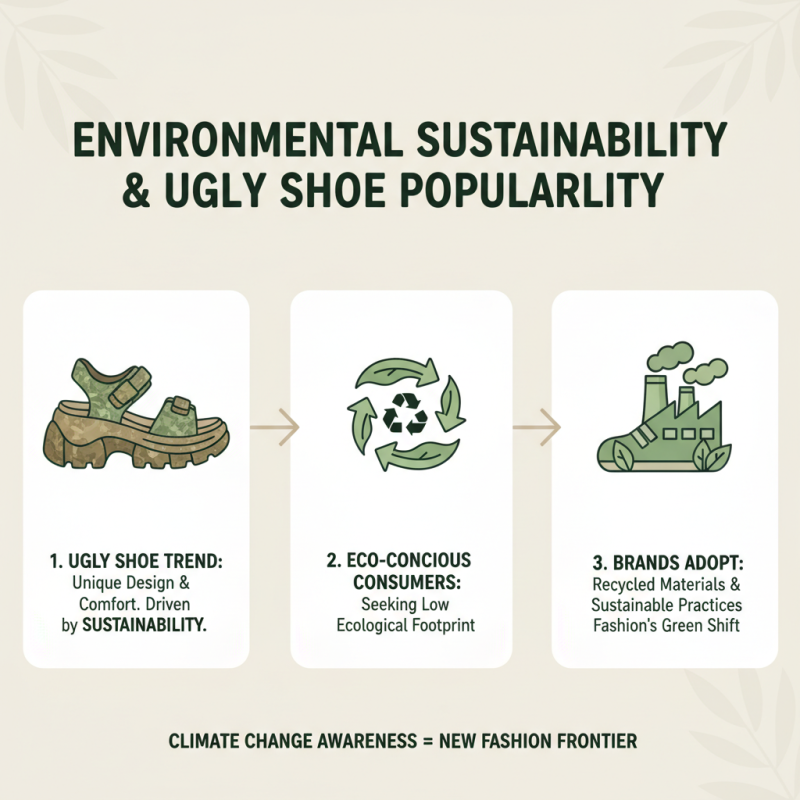
The trend of casual ugly shoes has captured global attention, largely due to their unique design and comfort. However, a significant driver behind their popularity is environmental sustainability. Consumers increasingly seek footwear that minimizes their ecological footprint. Many brands are now using recycled materials and sustainable practices to produce these quirky shoes. This shift aligns with a growing awareness of climate change and its impact on fashion.
For those looking to adopt this trend, here are some tips: Consider shoes made from eco-friendly materials. Look for options that incorporate recycled plastic or biodegradable components. This not only reduces waste but also supports sustainable fashion.
Another tip is to embrace imperfections in design. Many of these shoes feature unusual shapes or color combinations. This is a reflection of a broader desire to celebrate individuality over perfection. When choosing casual ugly shoes, focus on what feels right for you, rather than conforming to conventional aesthetics. Your footwear should not only express your style but also your values toward sustainability.